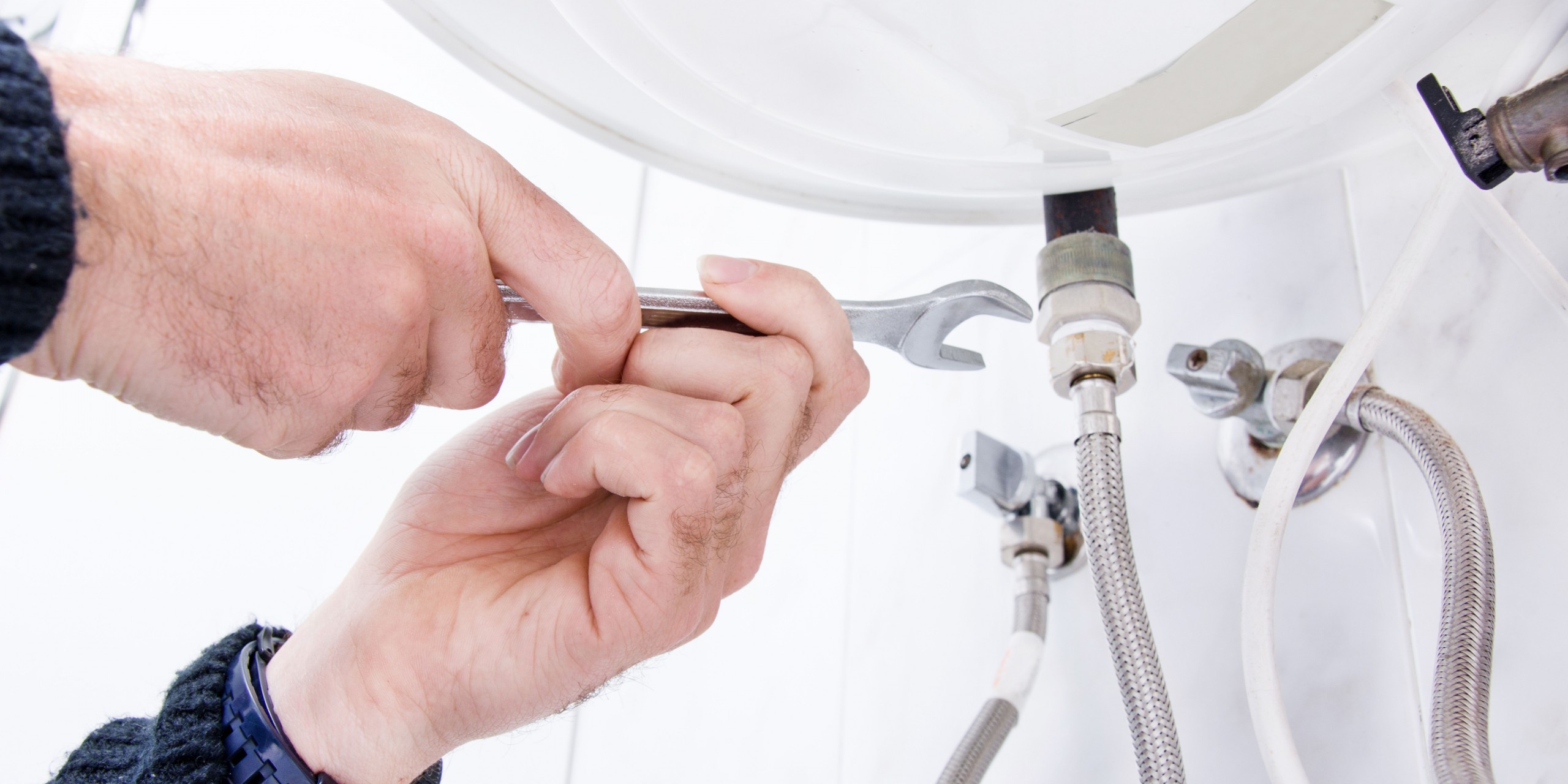
You can prevent water damage by prepping your plumbing systems. Although issues like flooding can happen any time of the year, winter, in particular, can be hard on your plumbing pipes.
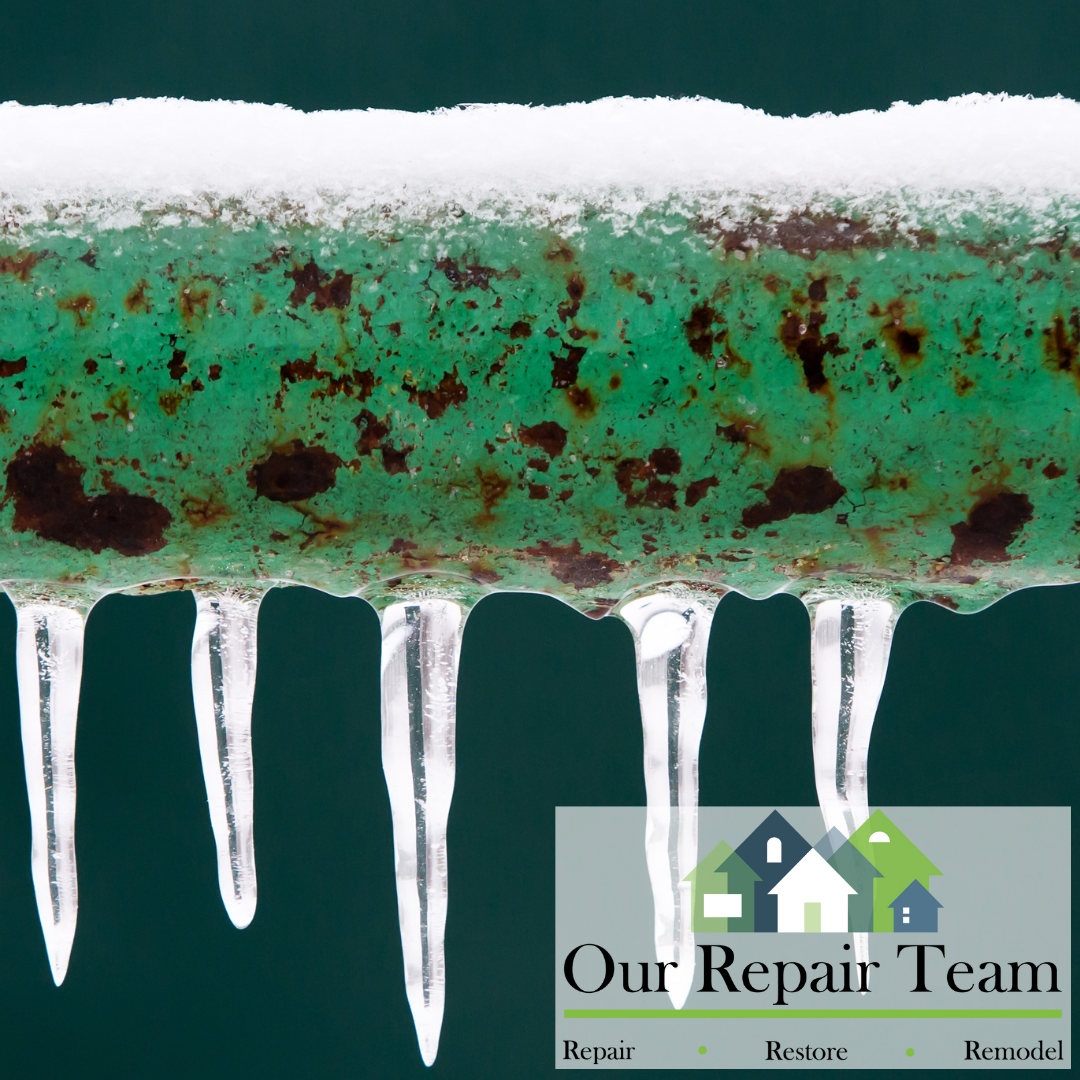
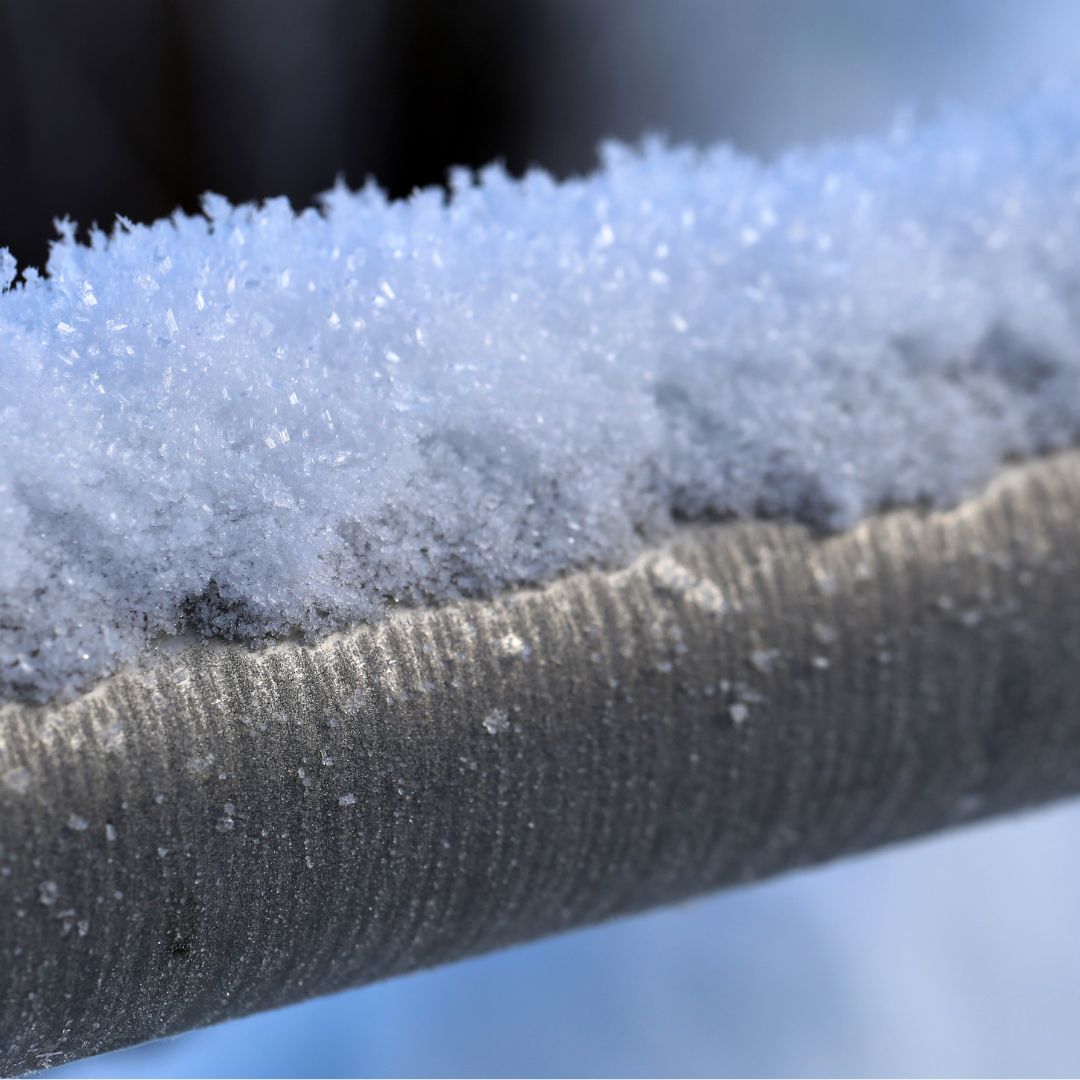
Freezing temperatures can freeze your plumbing pipes and prevent them from functioning properly. They can burst, causing a flood in your basement or elsewhere on your property.
To avoid issues like frozen pipes, this guide will explore ways to prepare your systems, including your sump pump, water heater, drain pipes, and more.\
Fix Any Leaks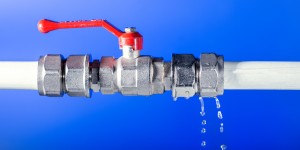
Whether you have air leaking through your walls or a slight water leak, you’ll want to find and adequately seal or fix them. A leak increases energy costs and can quickly escalate into a more extensive leak, especially during winter.
Get Your Pipes Insulated
Pipe insulation is often the first method of defense against frozen and bursting pipes. Homeowners can wrap their exterior pipes using insulation tubes. Areas like basements should be a top priority as these areas receive less heat.
Get Appliances Like Your Water Heater Inspected
Any appliance that can potentially cause or escalate a leak or a flood requires a pre-winter inspection. Ensure your water heater, dishwasher, washing machine, etc., are in good working order.
Turn Your Outdoor Faucets Off
Shut off your water using its shutoff valve located outside. Be sure to drain the pipe, as water inside can still cause it to freeze and crack.
Disconnect Your Hoses
During winter, you’ll spend more time inside your house, meaning you won’t need those outside garden hoses. Disconnect them after you drain them and store them in a shed or another location.
Take Extra Precautions When Away
During winter, people will also travel to locations like their hometown or to warm beaches to escape the cold. However, while you’re away, your house will still sit there, facing the ice and snow.
Take extra precautions when you’re away for an extended period. You can have a friend or family member house watch or routinely stop by.
If this choice isn’t an option, and you know no one will be in your home, you should turn off the main water supply. You can do so by turning off the main water valve. You’ll also want to do this when a flood or a plumbing problem like an overflowing toilet happens.
Insulate Your Garage
If your garage has water lines, you should insulate this space as it’s more exposed to the cold than other areas. Ideally, you should insulate the entire garage, but at the very least, insulate the garage doors.
Let Your Faucet Drip
If you know a night will be especially cold, you might want to turn off the valves to faucets y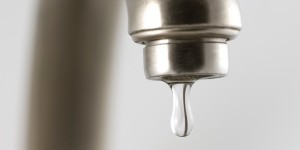 ou don’t need.
However, letting small amounts drip overnight can alleviate some pressure inside your pipes, preventing freezing pipes from bursting.
Know When You Have Plumbing Issues
Unfortunately, sometimes you can’t always prevent plumbing issues like overflowing toilets or frozen drain pipes. However, it’s possible to notice these issues before they occur or escalate. Routinely check for damp walls, frost, or plumbing problems that won’t stop.
Call Our Repair Team Today
Whether dealing with a malfunctioning toilet or wanting to winterize your home, you can trust the professional services offered by Our Repair Team. Contact us online to get your home inspected today or call 330-315-2003 for emergency water damage repair.